Reshaping Land for Development and Drainage
Mass Grading in Glasgow for large subdivisions and commercial sites requiring precise elevation control
Riverview Excavation LLC handles mass grading projects across Glasgow, Kentucky for developers and contractors who need large sections of land reshaped to establish correct elevations before construction begins. You need this service when raw or excavated land must be graded to create building pads, roadways, drainage corridors, and parking areas that meet engineering specifications. The work involves moving and redistributing soil across the site using bulldozers, graders, and excavators to achieve the slopes and elevations that ensure water flows away from structures and infrastructure remains stable over time.
Mass grading prepares land for utilities, foundations, and paved surfaces by establishing a consistent grade that prevents ponding, erosion, and settling. Operators follow survey stakes and laser-guided equipment to shape the ground within tolerances specified by civil engineers. In Glasgow and the surrounding area, proper grading is essential for managing stormwater runoff and ensuring that building sites remain dry and accessible throughout construction and after completion. The grading process often involves cutting high areas and filling low spots to create a balanced site that minimizes material import or export.
If you are developing a subdivision or commercial site that requires large-scale grading before infrastructure installation, reach out to review your site plan and timeline.
What You See After Mass Grading Is Complete
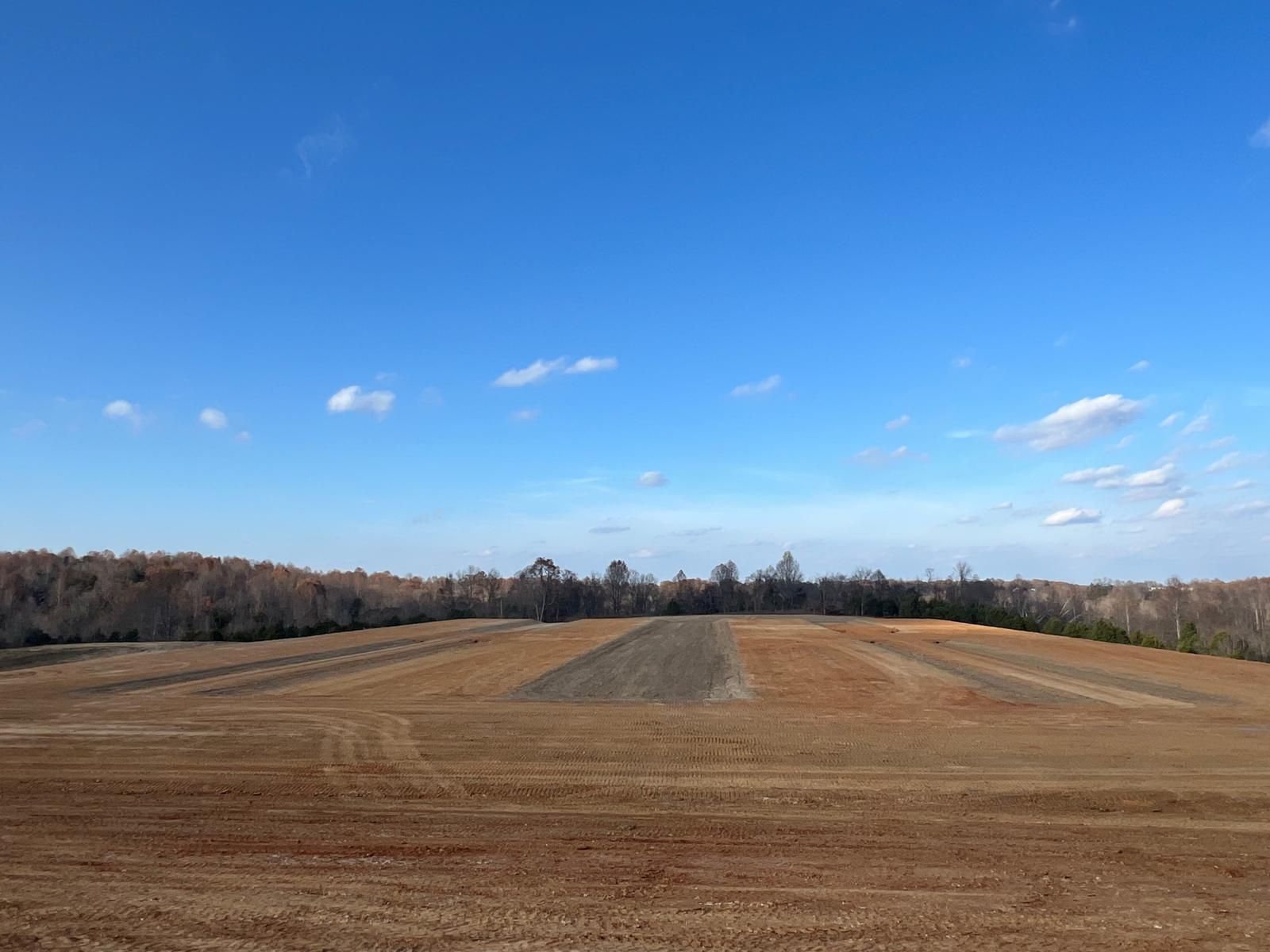
When mass grading is finished, you will see a site with clearly defined building pads, roadway corridors, and drainage paths that match the elevations shown on your grading plan. Ground that was uneven or improperly sloped is now shaped to direct water away from structures and toward retention areas or drainage systems. Surveying equipment is used throughout the grading process to confirm that elevations remain accurate as soil is moved and compacted.
Riverview Excavation LLC coordinates with civil engineers and project managers to ensure that grading work aligns with utility installation schedules and construction phasing. You will notice that the site is accessible for heavy equipment, that building pads are level and stable, and that water no longer collects in areas where structures or roads will be built. Graded surfaces are compacted to provide a firm base for foundations, pavement, or additional fill material.
Accurate grading prevents future drainage problems and foundation issues that result from poor site preparation. The work requires attention to detail as elevations are adjusted across large areas, and operators must account for soil shrinkage, settling, and compaction rates. Grading accuracy directly affects how well roads, utilities, and buildings perform once the project is complete, and experienced operators know how to read plans and interpret staking to achieve the results specified by engineers.
Common Questions About Mass Grading Projects
Developers and contractors often ask about the equipment, timeline, and coordination required for large grading projects.
What equipment is used for mass grading on large sites?
Bulldozers, motor graders, and excavators are used to move and shape soil across the site. GPS and laser-guided systems help operators maintain accurate elevations during grading operations.
How does mass grading prevent drainage problems after construction?
Proper grading establishes slopes that direct water away from buildings and roads and toward drainage systems or retention ponds. This prevents standing water, erosion, and foundation damage.
When should mass grading occur during a development project?
Grading typically happens after mass excavation and vegetation removal are complete, and before utilities, roads, or building foundations are installed. Coordination with other contractors is necessary to avoid delays.
Why is grading accuracy important for long-term site stability?
Accurate grading ensures that foundations rest on properly compacted soil at the correct elevation, and that drainage systems function as designed. Poor grading leads to settling, erosion, and costly repairs.
What site conditions in Glasgow affect grading timelines?
Soil type, weather, and groundwater levels all influence how quickly grading can be completed. Clay soils require different handling than sandy or rocky material, and wet conditions can delay compaction work.
If your project requires precise grading across a large development site, contact Riverview Excavation LLC to discuss your grading plan, equipment needs, and scheduling that keeps your construction timeline on track.