Stable Foundation Pads for Heavy Industrial Use
Warehouse and Factory Pads in City unavailable for industrial sites requiring compacted, level surfaces that prevent soil shifting and support structural loads
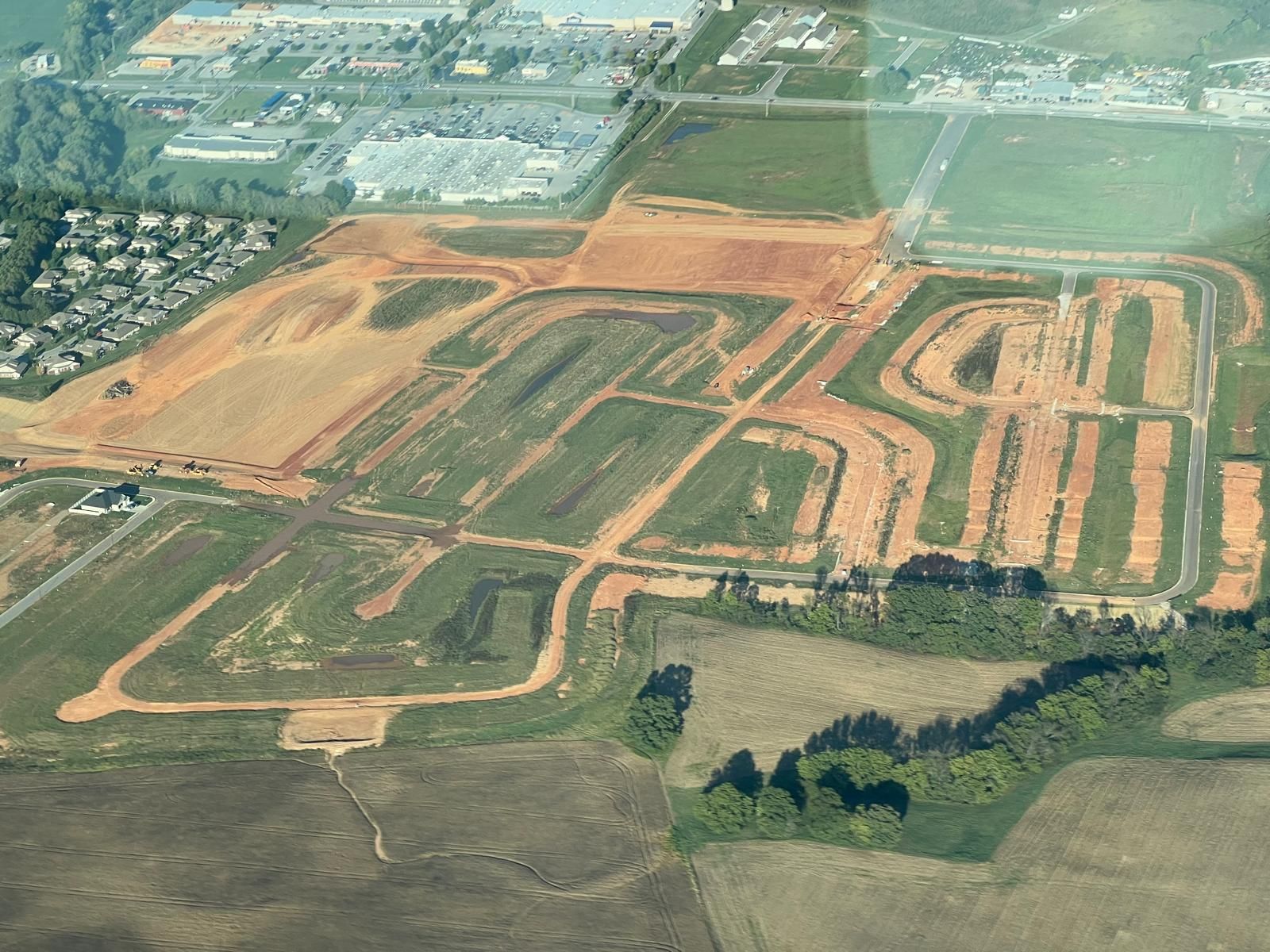
Riverview Excavation LLC builds warehouse and factory pads designed to hold the weight and distribution of large industrial structures. You need this service when your project demands a surface that will not settle unevenly, shift under load, or allow water to pool beneath the building. The work involves clearing the site, removing vegetation and topsoil, performing mass excavation to eliminate hills and depressions, and grading the area into a flat plane. After grading, the surface is compacted in layers using heavy equipment to create density and stability across the entire footprint.
The pad itself is built up from engineered fill material that has been selected for its load-bearing properties and drainage characteristics. Each layer is placed at controlled thickness, wetted or dried to the correct moisture content, and compacted using vibratory rollers or plate compactors. This process eliminates air pockets, increases soil density, and reduces the risk of future settling. The final surface is graded to direct water away from the building footprint, preventing saturation and maintaining the integrity of the compacted base over time.
If you are planning a warehouse or factory build and need site preparation that meets structural engineering requirements, reach out to discuss the scope and timeline for pad construction in your project area.
Compaction and Grading Standards for Load-Bearing Industrial Pads
You will see the process begin with site clearing and the removal of organic material that would decompose and create voids beneath the structure. Once the site is cleared, mass excavation begins to remove high points and fill low areas, creating a uniform elevation across the entire pad. Grading equipment such as dozers and motor graders shape the surface to the specified slope and elevation, ensuring proper drainage and eliminating areas where water can collect.
After the service is complete, you will notice a firm, level surface with no visible soft spots, standing water, or uneven grades. The pad will hold its shape under the weight of construction equipment and will not deform when heavy machinery traverses it. Riverview Excavation LLC ensures that each lift of material is compacted to the density required by the project specifications, often verified through field testing. The finished pad provides a stable platform that will support the foundation system and prevent differential settlement that could compromise the building structure.
The process includes multiple passes with compaction equipment and may require moisture conditioning depending on soil type and weather conditions. Drainage features such as swales or slopes are integrated into the design to direct runoff away from the pad perimeter. This service does not include foundation installation, utility trenching, or paving, which are handled separately once the pad is accepted by the project engineer.
What You Need to Know Before Starting Pad Construction
Industrial pad projects often raise questions about timing, material sourcing, and site conditions, so here are answers to the most common concerns.
What determines the thickness of a warehouse or factory pad?
The thickness depends on the expected structural loads, soil bearing capacity, and the results of geotechnical testing. You may need a thicker pad if the native soil has low strength or if the building will house heavy equipment or racking systems.
How long does it take to build a pad for a large industrial building?
The timeline varies based on site size, the amount of cut and fill required, weather conditions, and compaction testing schedules. A pad for a mid-sized warehouse may take several weeks, while larger factory sites can extend into months depending on grading complexity.
Why is compaction testing required during pad construction?
Testing ensures that each layer of fill meets the density and moisture specifications required for structural support. Without proper compaction, the pad may settle unevenly after the building is constructed, leading to cracking and alignment issues.
What type of material is used for engineered fill in factory pads?
The material is typically select granular fill such as crushed stone, gravel, or screened soil that has been tested for gradation and compaction characteristics. The choice depends on availability in City unavailable and the engineering requirements of the project.
When should drainage features be added to the pad design?
Drainage planning happens during the grading design phase and is built into the pad as it is constructed. You will see slopes, swales, or perimeter ditches integrated into the final surface to prevent water infiltration and maintain pad stability over time.
If your project is moving into the site preparation phase and you need a pad that meets engineering standards for industrial use, contact Riverview Excavation LLC to review soil conditions, grading plans, and construction scheduling for your build location.